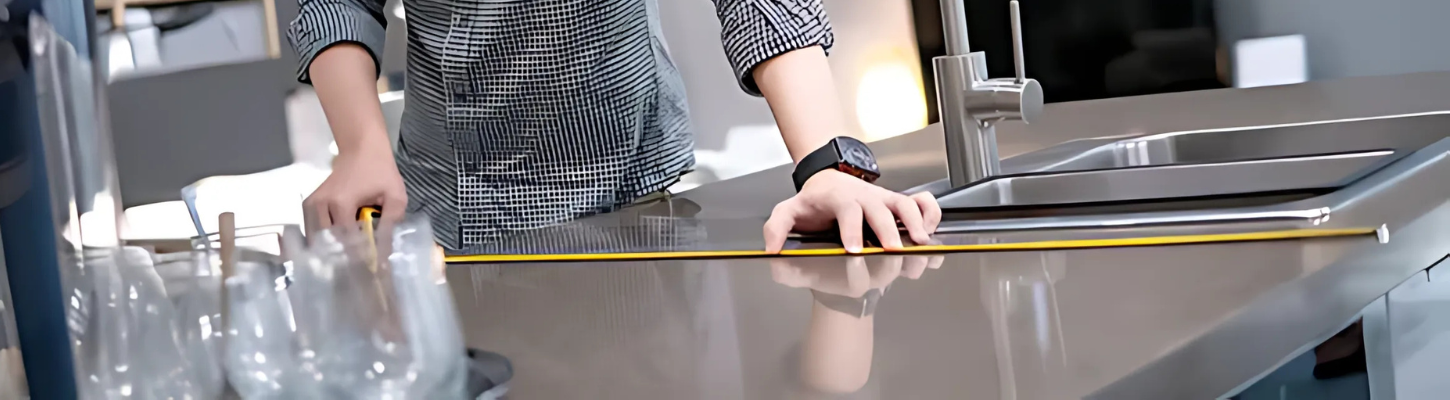
NEED HELP MEASURING?
Getting the measurements right is crucial before placing your kitchen order to ensure everything fits perfectly. Accurate measurements form the foundation of your kitchen design, and we want to make the process as easy as possible for you.
Here is a proper guide to help you measure your kitchen accurately.
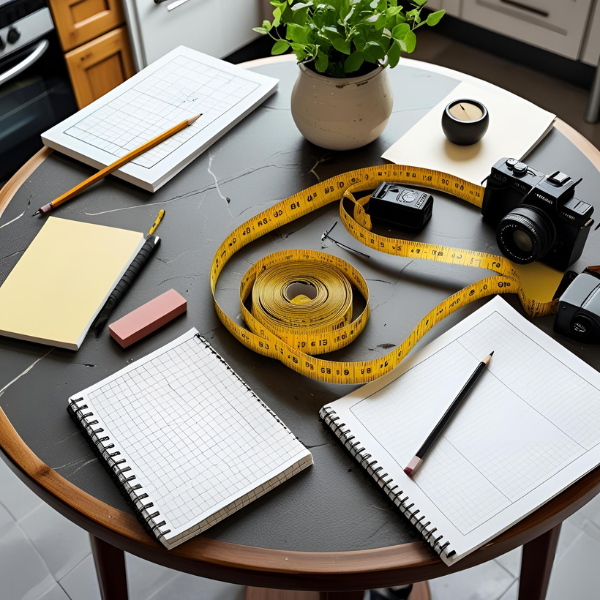
1. Preparation and Tools:
- Graph paper: Essential for sketching your layout.
- Measuring tape: A retractable metal tape measure is preferred (25-30 feet).
- Pencil and Eraser: For sketching and making corrections.
- Camera or Smartphone: For taking pictures of existing features.
- A Helper: An extra set of hands make measuring easier and more accurate.
- A Notebook: For writing down notes and dimensions.
2. The Measuring process:
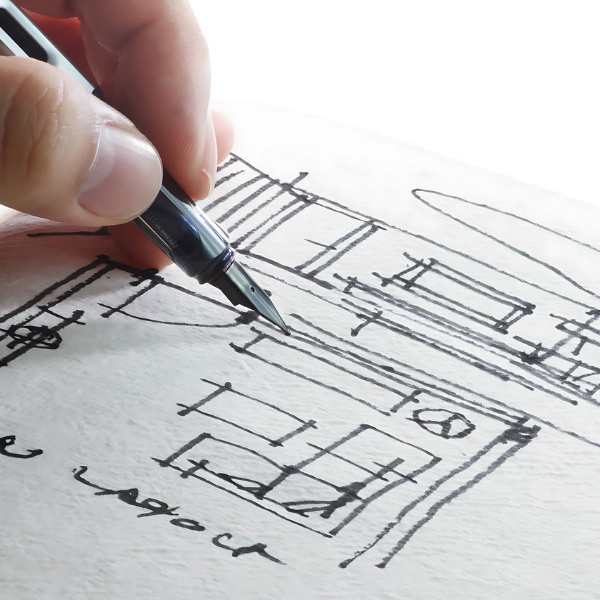
a. Create a rough sketch:
- 1. Draw the outline: On your graph paper, draw a basic outline of your kitchen’s shape. Don’t dwell on it and worry about accuracy, just get the general layout down (L-shaped, U-shaped, galley, single wall, etc).
-
Mark all the Fixed Features:
Next, you have to indicate the location of all the permanent features like:
- Windows
- Doors
- Radiator
- Pillars
- Plumbing (sink, dishwasher, fridge water line, gas line)
- Electrical outlets
- Light switches
- Vents
- Any other permanent fixtures.
b. Measure all the walls:
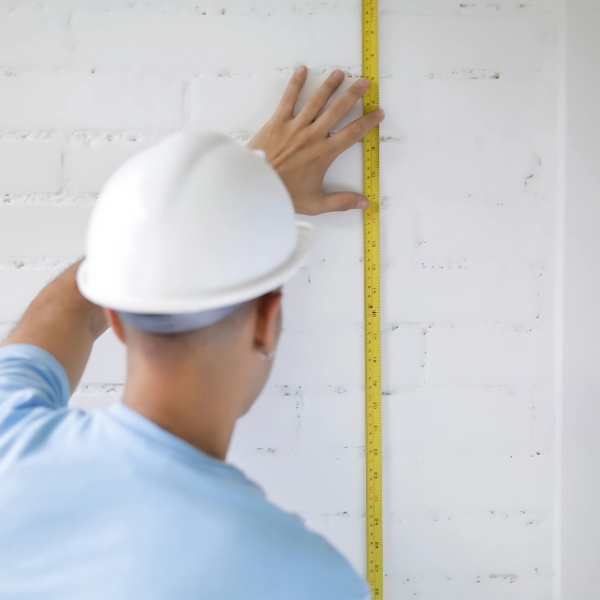
- 1. Overall wall lengths: Start by measuring the total length of each wall, from corner to corner. Write these dimensions on your sketch.
-
- From the corner to the start of the installed window.
- The width of the window.
- From the end of the window to the next corner.
c. Measure heights:
-
1. Ceiling height:
Measure the height from the floor to the ceiling in several places, especially if you think your ceiling or floor isn't perfectly level. You need to note the lowest point.
2. Windows heights:- Measure from the floor to the button of the window sill.
- Measure the height of the window opening itself.
- Measure from the top of the window opening to the ceiling.
- Measure the height of the door opening.
- Measure from the top of the door frame to the ceiling.
-
d. Measure depths:
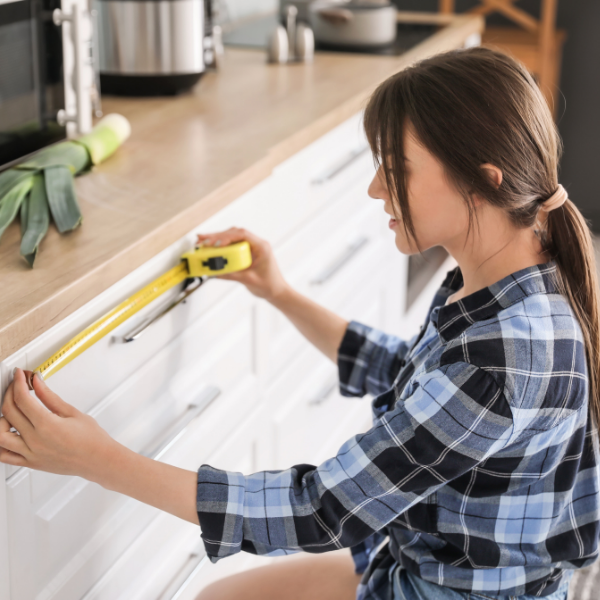
- Obstructions: Measure the depth of anything that protrudes from the wall (e.g., pipes, radiators, door frames that might interfere with cabinet placements).
- Door swing: If doors open into the kitchen, measure the depth of their swing to ensure they won't interfere with cabinets or appliances. e. Note utility locations:
-
1. Plumbing:
- Sink drain/Supply: Measure from the center of the drain pipe to the nearest wall. You also need to note their height from the floor.
- Dishwasher connection: Typically near the sink. Note down its exact location.
- Refrigerator water line: Note down the location, if there is one.
- Outlets: Measure from the center of each outlet to the nearest wall and its height from the floor.
- Gas lines: For gas ranges or cooktops, note the location of the gas line.
- Vents: Note the location and size of any existing exhaust vents for range hoods.
f. Appliance dimensions (existing and planned):
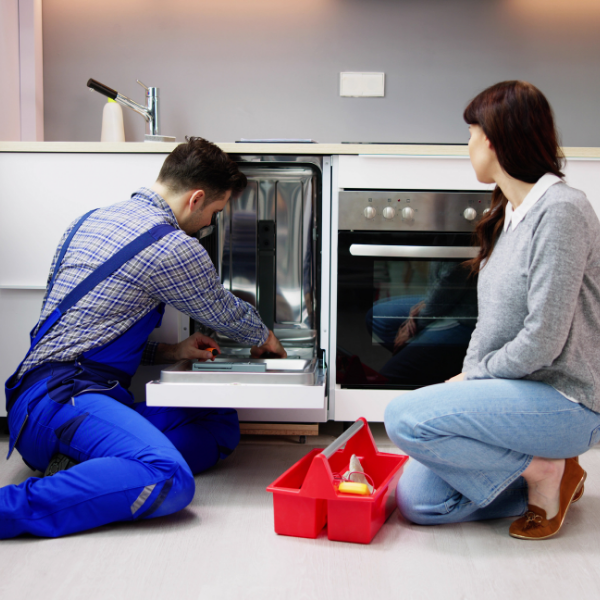
If you're keeping any existing appliances, measure their exact width, depth and height. Don’t forget to account for door swings and required ventilation space. In case of buying new appliances, make a note of the planned dimensions. This information is important for the kitchen designer.
3. Important tips:
If you're keeping any existing appliances, measure their exact width, depth and height. Don’t forget to account for door swings and required ventilation space. In case of buying new appliances, make a note of the planned dimensions. This information is important for the kitchen designer.
3. Important tips:
- Measure Thrice, Cut Once:Or in this case, measure thrice, design once. Accuracy is paramount.
- Consistency:Always use the same unit of measurement (inches or centimeters) throughout your entire drawing.
- Take Photos:Take clear photos of your current kitchen from various angles. These can provide valuable context for the designer.
- Bring Your Sketch:When you visit us, bring your detailed sketch, measurements, and photos. This will give us a solid foundation to start designing your new kitchen.
By following this comprehensive guide, you'll be well-prepared to provide us all the necessary information for a precise and effective kitchen design.

Contact Us
For any queries, please contact us—we'd be happy to help.
Phone
Email
Address
44 Gillender Street, Aberfeldy Village,
London E14 6RP, United Kingdom
London E14 6RP, United Kingdom
Help & Guides
START YOUR JOURNEY WITH Buy Kitchen Online
Book your free consultation today and take the first step toward your dream kitchen. Whether virtually or with an on-site survey, we are here to guide you every step of the way.